Books
Stories
45
Words
1.5 M
Comments
0
Reading
5 d, 3 h
 Eternal Bread is a sci-fi novel by Alexander Belyaev, published in 1928. The novel is devoted to the prospects for the development of the field of biology, biochemistry and microbiology, now related to biotechnology. Originally written in Russian language in 1928. Translated by Bogdan Michka, Copyright © 2022. This story has out of 12 chapters featured on this site, containing a total of words.
- 1.4 K • Feb 26, '26
- 2.0 K • Feb 26, '26
- 2.8 K • Feb 26, '26
 She is under a vow to never marry. He is engaged. Knowing that, they can be friends, without assumptions or rumors… Can’t they? Maristella Westen would have been the star of every ball with no shortage of suitors, but she has a secret, something that is only known to her and her parents. The secret makes marriage impossible. To avoid inspiring false hopes in…
- 1.9 K • Mar 14, '26
- 3.4 K • Mar 14, '26
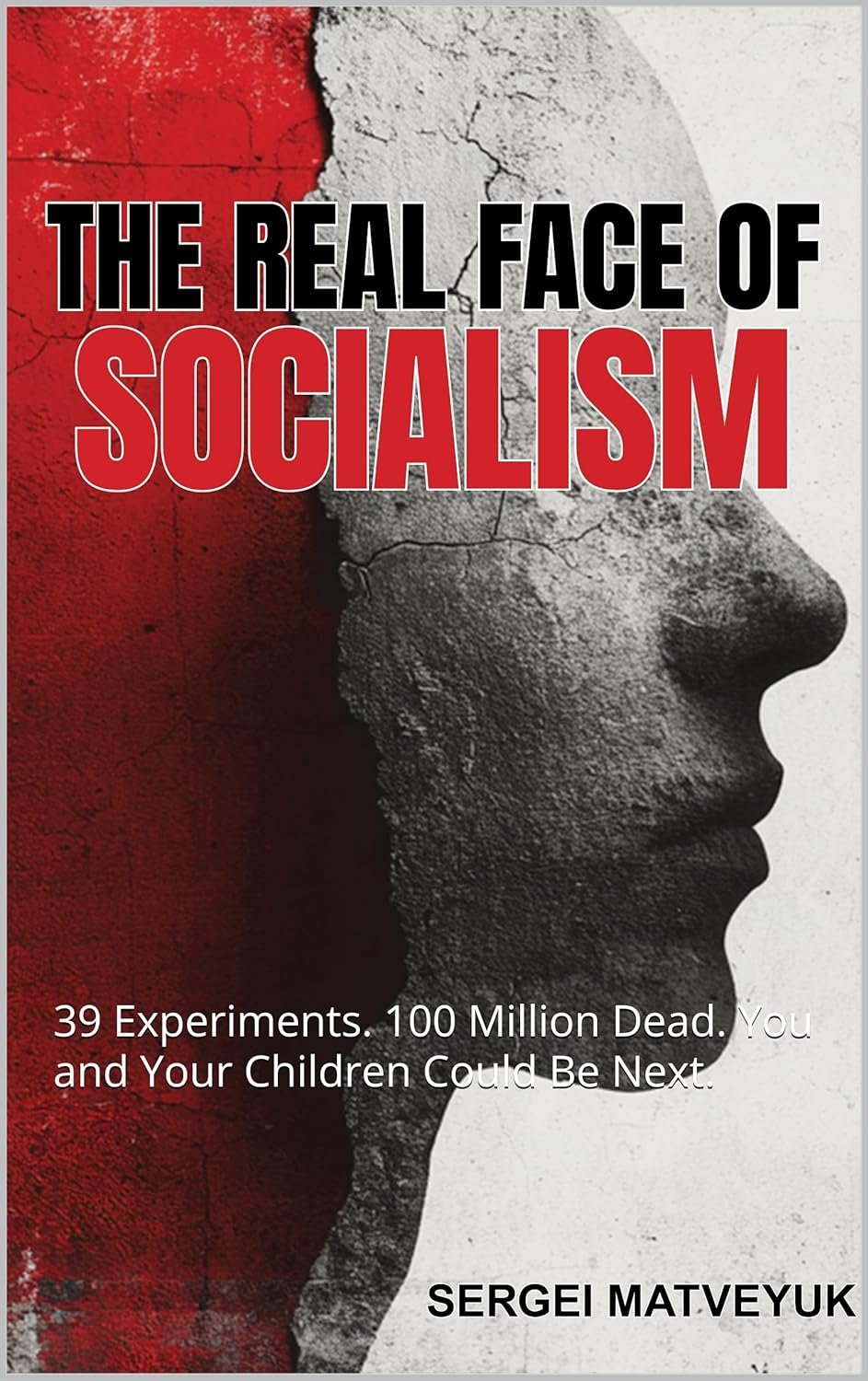
 39 Experiments. 100 Million Dead. You and Your Children Could Be Next. They promised equality. Free healthcare. Free education. A better world for everyone. They always do. Then the shelves go empty. The lines grow long. The walls go up. And the one man who always eats well tightens his grip on power. Venezuela had more oil than Saudi Arabia. Today its people are…
- 1.8 K • Apr 15, '26
- 2.3 K • Apr 15, '26
- 1.2 K • Apr 15, '26
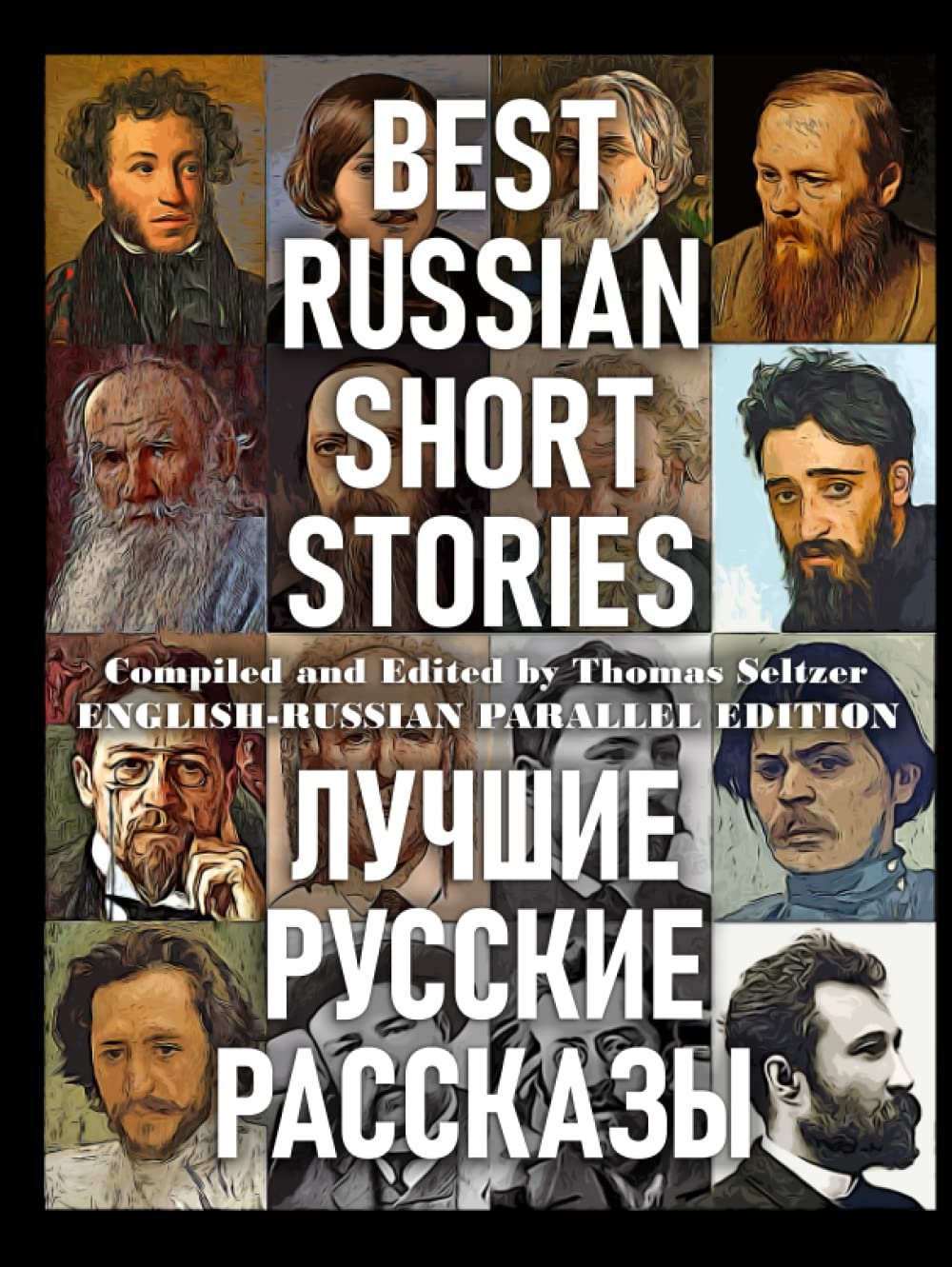
 A comprehensive anthology of the Russian short stories in the English language by some of the best and most well known Russian authors in the early 1900s. English-Russian Parallel Edition. This edition is designed for those who are learning the Russian language and wish to read the original literary works. To aid in this process additional paragraph breaks were added throughout the texts to…
- 9.9 K • May 15, '26
- 6.0 K • May 15, '26
- 3.6 K • May 15, '26
 “Only the Russians live in Russia, right?” “It is very cold over there, isn’t it?” “Who are these Russians?” You will find answers to these and other similar questions in this book. We worked hard so you can have first-hand information about Russia. We encourage you to go ahead and explore this beautiful country with its good people who are often taken for enemies…
- 350 • May 29, '26
- 1.6 K • May 29, '26
- 945 • May 29, '26
- In 1942, an Antwerp family named Hartmann lost everything. Eighty years later, their granddaughter Eva is still waiting for it back. Rowan Voss is an independent antique picker who notices the wrong things in the right order. At a provincial Belgian auction, they find a small silver salt cellar — excellent provenance, excellent chasing, and a weight that isn’t quite right. The deeper Rowan…
- 1.8 K • New
- 2.4 K • New
- 2.2 K • New
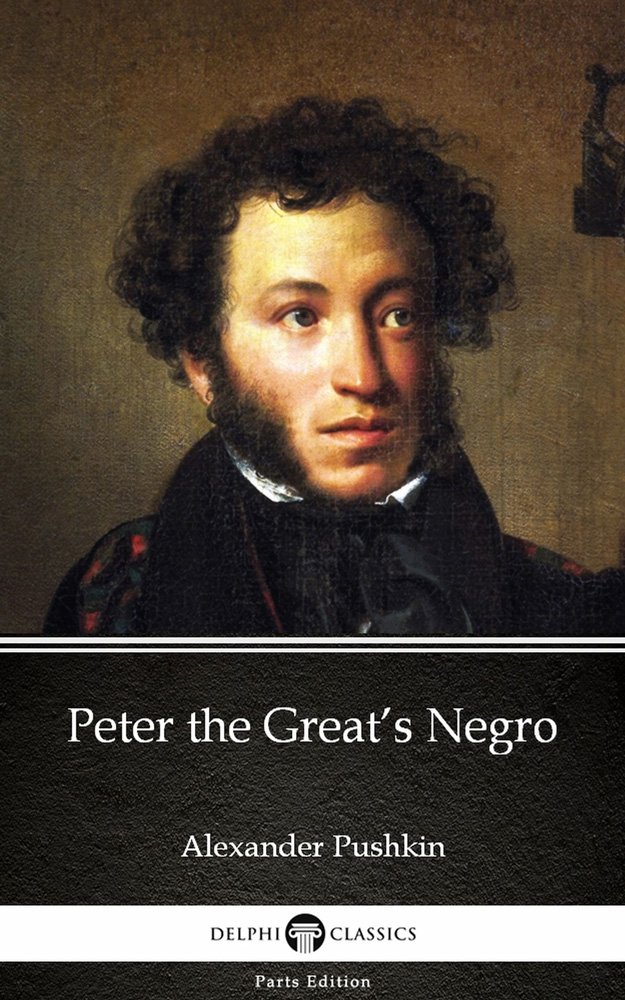
- This is an unfinished historical novel, which is now considered to be Pushkin’s first prose work. The author began writing the novel towards the end of July, 1827 in Mikhailovskoe and in spring 1828 he is recorded to have read several drafts to his friends. During Pushkin’s lifetime, only two fragments of the work were published in the literary magazine Severnye Tsvety in 1829…
- 2.0 K • Jun 11, '26
- 1.9 K • Jun 11, '26
- 2.5 K • Jun 11, '26
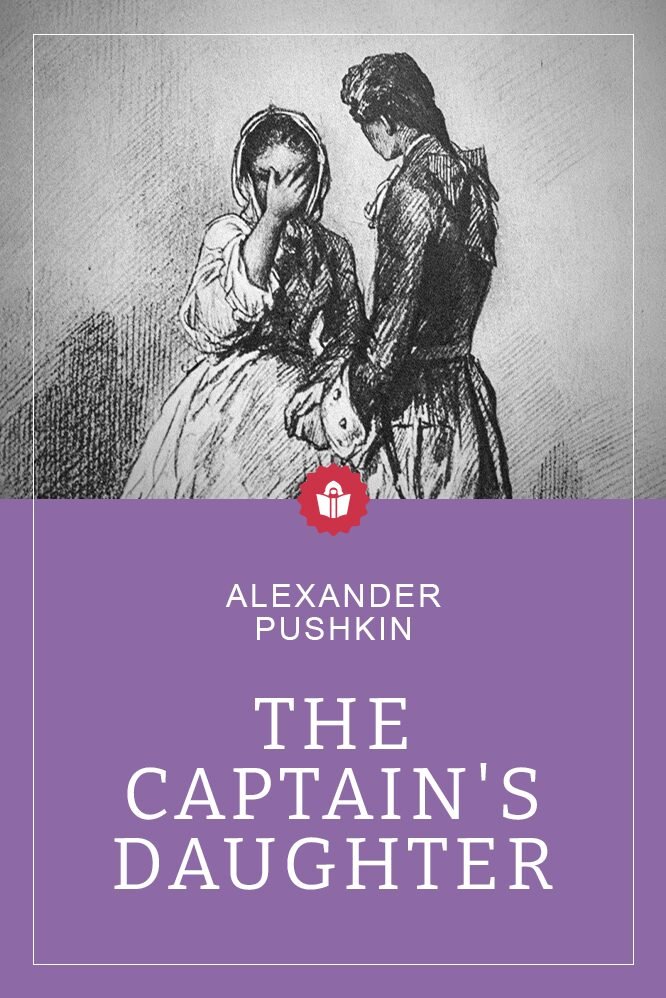
 This historical novella was first published in 1836 in the fourth issue of the literary journal Sovremennik. It is a romanticised account of Pugachev’s Rebellion in 1773-1774, which was the principal revolt in a series of popular rebellions that took place in Russia after Catherine II seized power in 1762. It began as an organised insurrection of Yaik Cossacks headed by Yemelyan Pugachev, a…
- 3.0 K • Jun 11, '26
- 3.5 K • Jun 11, '26
- 2.3 K • Jun 11, '26
 Nikolai Gogol’s “uncollected” works refer to a group of early drafts, fragmented sketches, and incomplete tales that were not organized by Gogol into his formal collections (Evenings on a Farm near Dikanka, Mirgorod, or Arabesques). In most modern English compilations, these lesser-known, stray texts are grouped separately as uncollected works or juvenilia. This collection has stories featured on this site, containing a total of…
- 9.0 K • Jun 2, '26
- 4.2 K • Jun 2, '26
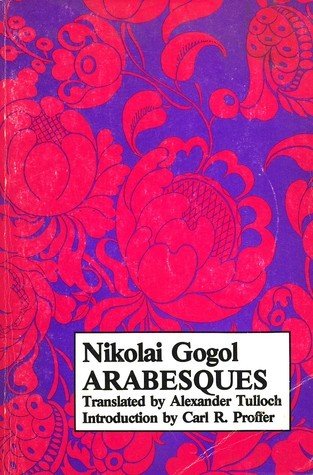
 Arabesques are collected works written and compiled by Nikolai Gogol, first published in January 1835. The collection consists of two parts, diverse in content, hence its name: ″arabesques,″ a special type of Arabic design where lines wind around each other. This collection has stories featured on this site, containing a total of words.
- 18.9 K • Jun 2, '26
- 13.6 K • Jun 2, '26
- 8.0 K • Jun 2, '26
- Previous 1 2 3 Next